

Gràcia, Barcelona
The most local and creative neighborhood for a 6–12 month stay
How Gràcia rates on key factors
Budget
€€ Mid-range
Nightlife
Medium
Quietness
Medium–High
Transport
High
International
Very
A different kind of Barcelona
Gràcia offers a completely different experience compared to central Barcelona. Instead of large avenues, you’ll find pedestrian streets, independent shops and lively squares where locals gather in the evenings.
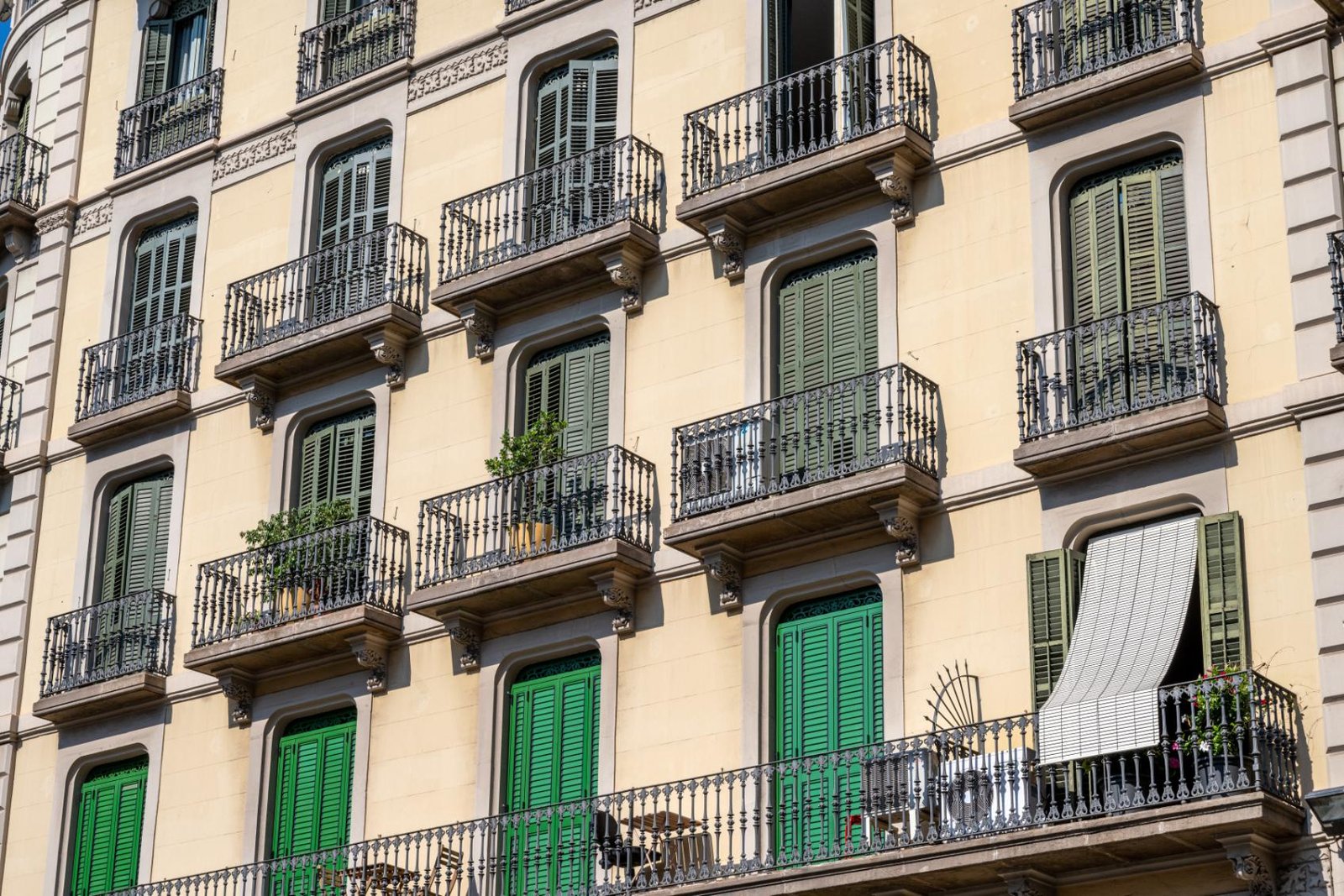
It’s one of the most authentic neighborhoods in the city, attracting Erasmus students, master’s students and creative professionals. Compared to Ciutat Vella, it’s quieter and more residential. Compared to Eixample, it feels more community-driven and local.
The neighborhood has its own distinct identity — it was an independent town before being absorbed into Barcelona in 1897 — and that history gives it a village-like feel that many long-term residents treasure.
Who typically lives here?
- Erasmus and master’s degree students
- Creative professionals and freelancers
- Young professionals on mid-length stays
- Expats looking for a local, non-tourist feel
- ESADE and UB commuters
Universities near Gràcia
Gràcia is well-connected to the main campuses in Barcelona, particularly via FGC and metro L3.
University of Barcelona (UB)
15 min by metro L3. The historic main building is one of the closest major campuses to Gràcia.
Pompeu Fabra (UPF)
20 min by metro. Ciutadella campus accessible via L3 + L4 with one change.
EADA Business School
15 min walk or short metro ride. One of the closest business schools to Gràcia.
Elisava Design School
20 min by metro. Accessible via L3 towards the Barceloneta direction.
ESADE Sant Cugat
25 min via FGC from Gràcia station. Direct train — a real advantage for ESADE students.
IESE Business School
25–30 min via FGC or bus. Reachable but requires a connection through the city.
Transport and connectivity
Gràcia has strong public transport coverage with metro, FGC and multiple bus lines.
Metro L3 — Fontana
Direct green line to city center, Passeig de Gràcia and Liceu in under 10 minutes.
Metro L4 — Joanic
Yellow line connecting to Poblenou, Sant Pau and Barceloneta for beach access.
FGC — Gràcia Station
Direct to Sant Cugat and Sabadell — key for ESADE and north campus commuters.
Bus network
Multiple daytime and night bus lines along Travessera de Gràcia.
Bicing & walking
One of the most walkable neighborhoods — most daily errands can be done on foot.
Beach access
Barceloneta is 20–25 minutes by metro L3 + L4. One change, no car needed.
Explore Gràcia on the map
Universities, metro stations, cafés, markets and key spots in the neighborhood.
Key spots: Plaça del Sol · Mercat de l’Abaceria · Fontana Metro · Onna Coffee · SlowMov · DIR Gràcia · FGC Gràcia
Daily life in Gràcia
Supermarkets
- Mercadona
- Caprabo
- Lidl
- Bonpreu
Markets
- Mercat de l’Abaceria
- Mercat de l’Abaceria Central
- Weekend farmers market
Study Cafés
- Onna Coffee
- SlowMov
- Café Camelia
- El Racó del Pati
Gyms
- DIR Gràcia
- Holmes Place
- Anytime Fitness
Pros and cons of living in Gràcia
Pros
- Authentic and local atmosphere
- Strong community feel among residents
- Safe and residential — low tourist density
- Good metro and FGC coverage
- Wide variety of independent shops and cafés
- More affordable than Eixample or Born on average
Cons
- Smaller apartments with older buildings
- High demand keeps prices relatively stable
- Less central than Eixample or Ciutat Vella
- Some streets have limited natural light
Is Gràcia expensive?
Gràcia sits in the mid-to-high price range within Barcelona. While still slightly more accessible than prime Eixample or El Born, strong demand and limited supply have pushed prices up in recent years—especially in central areas like Vila de Gràcia, Fontana and Joanic.
For international students and mid-term stays, most listings fall into the following ranges:
- Shared room in a flat: €700–€900/month
- Studio apartment: €1,100–€1,500/month
- 1-bedroom flat: €1,400–€1,900/month
What’s typically included?
Most shared rooms in Gràcia include utilities and Wi-Fi in the price. Mid-term furnished rooms (3–12 months) are the most common format for international students.
Get help finding a roomQuestions about living in Gràcia
Is Gràcia safe for international students?
Yes. Gràcia is considered one of the safer and more residential neighborhoods in Barcelona. It has low levels of tourist-related theft compared to Barceloneta or the Gothic Quarter.
How far is Gràcia from the beach?
Barceloneta beach is 20–25 minutes by metro (L3 + L4 with one change). Bogatell and Poblenou beaches are a similar distance via L4.
Is Gràcia good for ESADE students?
Yes — Gràcia has direct FGC access to Sant Cugat, where ESADE’s main campus is located. The commute is typically 25–30 minutes with a direct train.
How does Gràcia compare to Eixample?
Gràcia is more local, quieter and slightly more affordable. Eixample offers better connectivity and more modern apartments but at a higher price and with less neighborhood character.
What is the best time to find a room in Gràcia?
Demand peaks in September and January at the start of academic terms. Looking 6–8 weeks in advance gives you the best selection.
Compare other Barcelona neighborhoods
Not sure Gràcia is the right fit? Browse the other area guides.